What Could a Super El Niño Mean for Banff This Winter?
With talk of a potential Super El Niño making headlines, many skiers and snowboarders are wondering what it could mean for winter in Banff.
While seasonal climate forecasts can provide insight into broad weather patterns, they don't tell the whole story, especially when it comes to conditions in the mountains.
El Niño is a naturally occurring climate pattern that develops when sea surface temperatures in the equatorial Pacific Ocean become warmer than average. It typically occurs every two to seven years and can last anywhere from nine to twelve months.
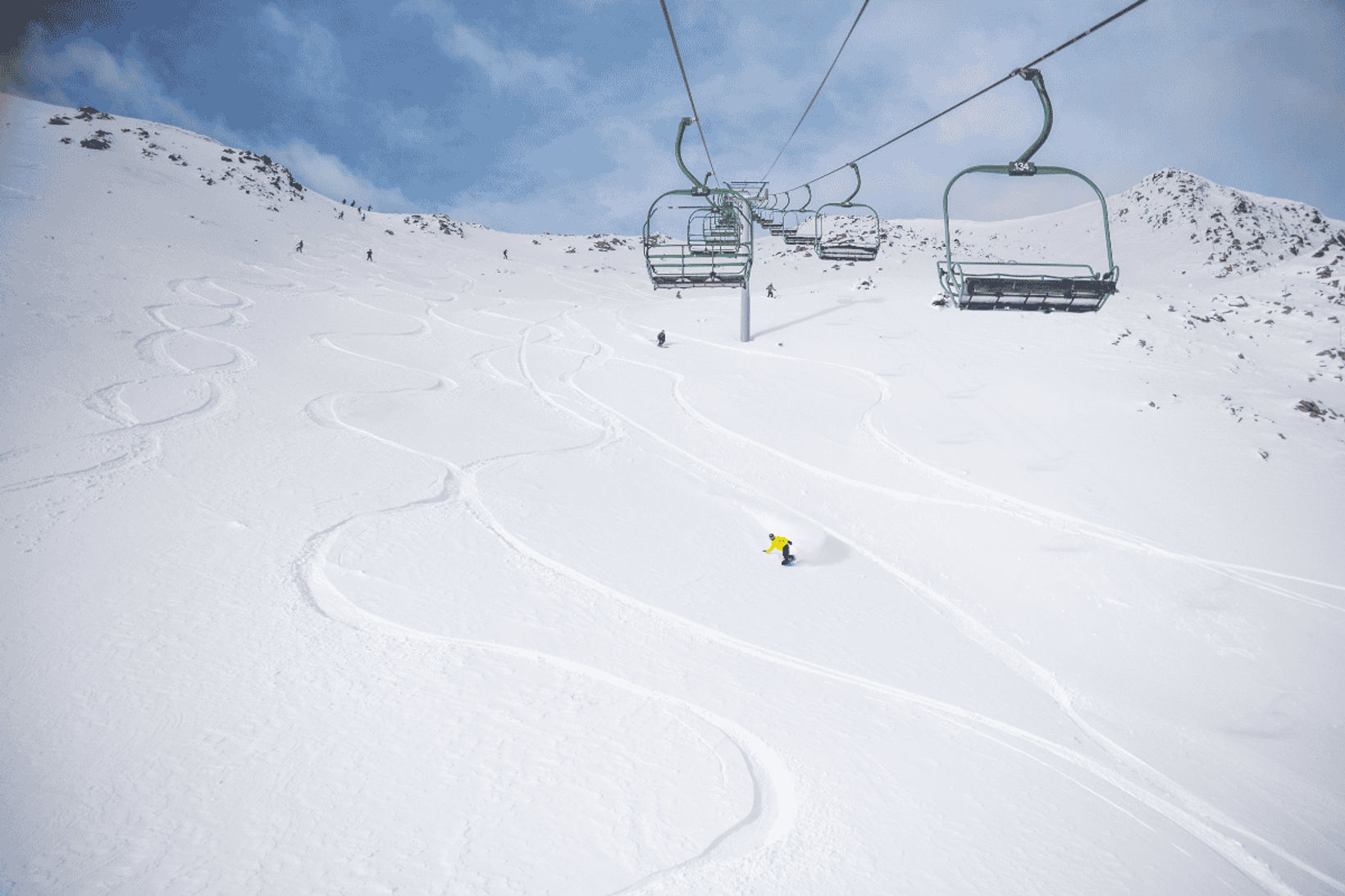
Powder day at Mt Norquay | Photo Credit: Josh Selegeski
What Does It Mean for Western Canada?
Historically, El Niño winters have been associated with milder-than-average temperatures across much of Western Canada. Current forecasts suggest this year's event has the potential to be a strong, or "Super," El Niño.
However, no two El Niño events are exactly alike, and each brings its own unique weather patterns.
It's also important to remember that El Niño influences seasonal trends rather than day-to-day weather. While it may increase the likelihood of certain conditions across a large region, it cannot predict the weather or snowfall at a specific destination several months in advance.
The last major El Niño event to affect Banff occurred during the winter of 2023–2024 | Photo credit: Rajiv Dhaliwali
Why Mountain Weather Is Different
Mountain weather is influenced by many factors, including elevation, storm tracks, and local weather systems. These variables play an important role in shaping winter conditions throughout the season, which is why long-range climate outlooks should be viewed as one piece of a much larger picture.
SkiBig3 resorts are also uniquely positioned in the Canadian Rockies, with high elevations and a long ski season that typically stretches from November into late May. These characteristics have helped make Banff one of North America's premier ski destinations for decades due to the consistent snow that starts in October and doesn't leave the ground until late spring. Alberta’s cold winters set up our ski seasons for consistent quality, light snow for months.
As winter approaches, skiers and riders can look forward to watching the season unfold just as it always does. While climate patterns like El Niño are interesting to follow, the best way to experience Banff is to get out on the slopes and enjoy everything the Canadian Rockies have to offer.
We'll continue to keep an eye on seasonal forecasts as winter gets closer, but for now, we're looking forward to another memorable ski season at SkiBig3 – where winter is still a thing.


